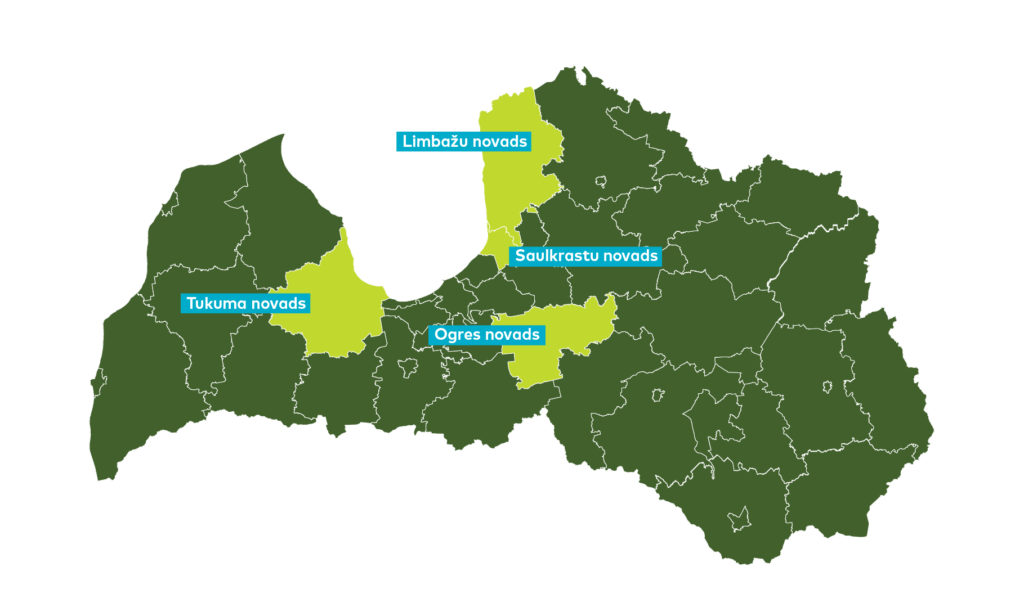
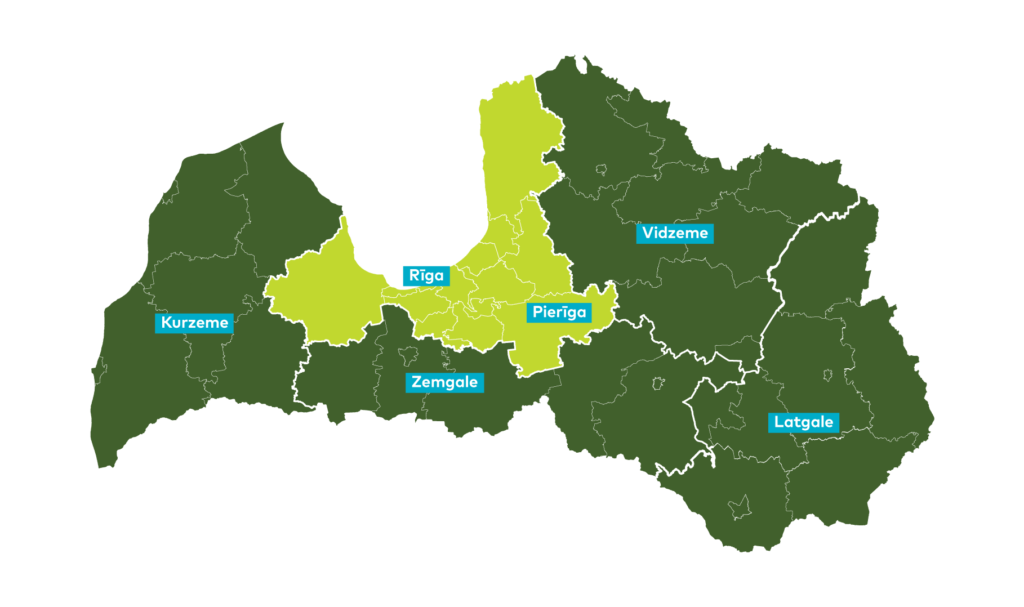

ALTUM loan to cover eligible costs up to EUR 1 million

Guarantee of up to 80% of a bank loan

Capital rebate of up to 30% of the ALTUM loan for eligible costs or a bank loan for eligible costs with an ALTUM guarantee. The total amount of the capital rebate within the programme can reach up to EUR 300 000 for a group of related companies in total.
* Support is granted in accordance with European Commission Regulation (EU) No. 651/2014 or, alternatively, in accordance with the de minimis Regulation (EU) No. 2023/2831. The capital rebate may be lower depending on the applicable State aid regulation.

primary energy savings of at least 30% are achieved

Energy efficiency improvement measures achieving at least 30% primary energy savings:
- implementation of energy efficiency improvement measures in complexes of non-residential buildings, as well as the introduction of an energy management system;
- improvement of energy efficiency in existing equipment;
- acquisition of more energy-efficient equipment or machinery to replace existing equipment or machinery;
- renovation, reconstruction or construction of engineering systems in commercial areas, if this contributes to energy efficiency or the use of renewable energy sources;
- ESCO services.

Primary production of agricultural products, fisheries, aquaculture, the manufacture and trade of tobacco products, and gambling (for detailed sector and activity restrictions, see HERE)
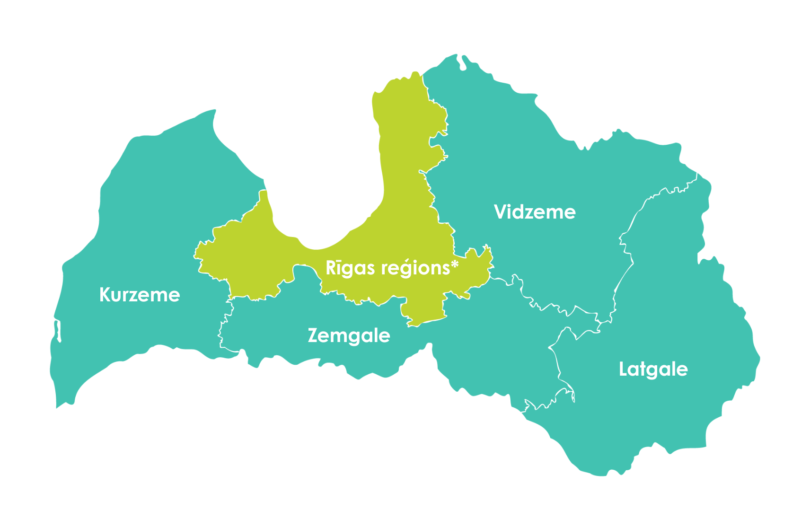
ALTUM loan to cover eligible costs up to EUR 10 million
Guarantee of up to 80% of a bank loan
Capital rebate of up to 30% of the ALTUM loan for eligible costs or a bank loan for eligible costs with an ALTUM guarantee. The total amount of the capital rebate within the programme can reach up to EUR 3 million for a group of related companies in total.
* Support is granted in accordance with European Commission Regulation (EU) No. 651/2014 or, alternatively, in accordance with the de minimis Regulation (EU) No. 2023/2831. The capital rebate may be lower depending on the applicable State aid regulation.

emission savings are achieved
primary energy savings of at least 20% are achieved

final energy consumption is replaced with renewable energy sources
Energy efficiency improvement measures achieving at least 20% primary energy savings:
- implementation of energy efficiency improvement measures in complexes of non-residential buildings, as well as the introduction of an energy management system;
- improvement of energy efficiency in existing equipment;
- acquisition of more energy-efficient equipment or machinery to replace existing equipment or machinery;
- renovation, reconstruction or construction of engineering systems in commercial areas, if this contributes to energy efficiency or the use of renewable energy sources;
- ESCO services.
Implementation of renewable energy technologies (RES), including energy storage technologies, where at least 80% of the energy produced is used for self-consumption and storage technologies are mainly charged from directly connected RES:
- acquisition of renewable energy technologies for self-consumption;
- acquisition and installation of renewable energy storage or accumulation equipment for self-consumption, ensuring that 75% of the energy charged annually comes from directly connected RES generation technologies (the 75% requirement does not apply to de minimis aid; however, even in the case of de minimis aid, the storage equipment must be directly connected to the RES generation equipment);
- acquisition of solid biomass technologies only in hybrid systems together with zero-emission technologies.
- When selecting heating technologies, the following priority order applies:
-
connection to a district heating system;
-
efficient zero-emission heating technology;
-
hybrid system combining zero-emission technology with solid biomass technology.
-
Development and implementation of a new product or technology:
- development and implementation of a new product or technology to ensure environmentally friendly production processes or resource efficiency by replacing or improving an existing product or technology.
Primary production of agricultural products, fisheries, aquaculture, the manufacture and trade of tobacco products, and gambling (for detailed sector and activity restrictions, see HERE)